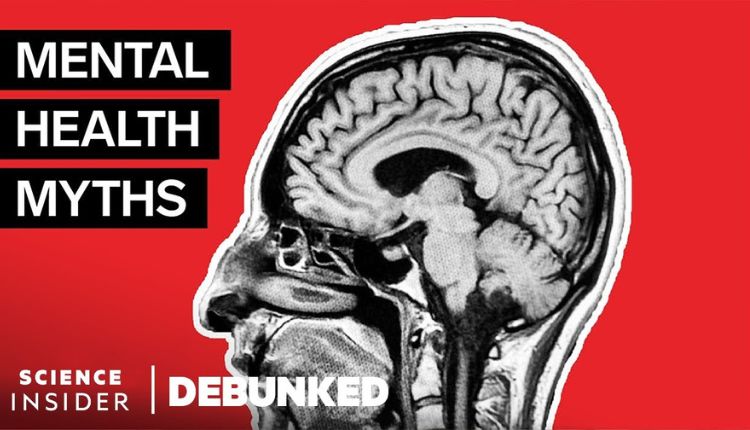
Barely a heartbeat passes when you hear the words Brooklyn Integrative Psychological Services and your mind starts painting an array of images. White coats. Cold, sterile rooms. An austere professional scribbling notes while you spill your life story. These stereotypical images, while deeply ingrained, often veer far from reality. They form part of the common misconceptions about psychologists and mental health that we’ll debunk today. This is not a disciplinary lecture, but a lively exploration into the true realm of psychology. So, strap in and prepare to replace those old myths with facts, revealing the warm, understanding, and highly personalized nature of modern psychology.

Misconception 1: Psychologists just sit and listen
Imagine a friend who only listens but rarely gives feedback – frustrating, right? Psychologists do much more than merely listen. They guide, they challenge, and they help you navigate the labyrinth of your thoughts and feelings. They’re like a compass when you’re lost in the wilderness of your mind.
Misconception 2: Visiting a psychologist means you’re weak or crazy
Imagine thinking you’re weak for visiting a doctor when you’re sick! Mental health is no different from physical health – when it hurts, you seek help. Seeking psychological help is a sign of strength, a testament to your desire to live a healthier, happier life.
Misconception 3: Psychologists can read minds
Wouldn’t that be something? But no, psychologists can’t read minds. What they do is listen, observe, and analyze to understand your thoughts, feelings, and behavior. They’re more like detectives of the mind, not mind readers.
Misconception 4: All psychologists do is talk about your childhood
While past experiences can shape us, psychologists understand that it’s not always about the past. Sometimes, it’s about the present – the here and now. They help you cope with current challenges, make positive changes, and build a better future.
Misconception 5: Psychologists prescribe medication
Most psychologists don’t prescribe medication. That’s usually the realm of psychiatrists. Psychologists focus on therapies that help you understand and manage your thoughts, feelings, and behaviors.
Hopefully, by now, some of those old, dusty misconceptions are replaced with a clearer, more realistic picture of psychology. Remember, it’s ok to ask for help. It’s ok to talk about your feelings. It’s ok to take care of your mental health. After all, a healthy mind is just as important as a healthy body.