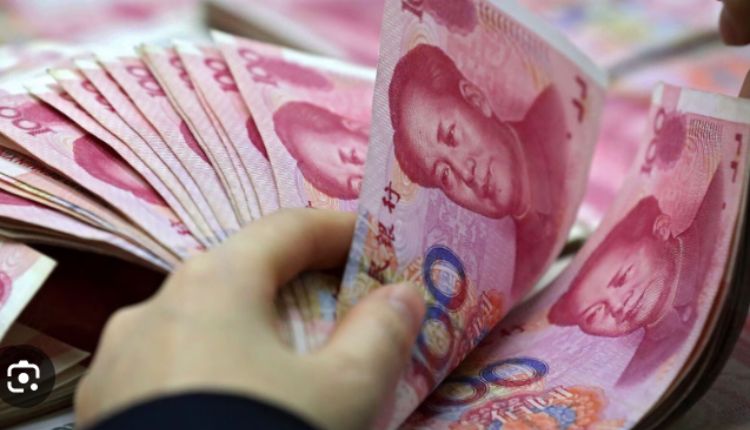
The USD is still the dominant currency for global transactions and central bank reserves. But the recent ostracism of the United States in the wake of the war in Ukraine has fueled hopes that China’s yuan may be on track to become a global rival. However, for this to happen the yuan will need much wider acceptance as a basis for trade and import contracts. That process is already underway.

Why Yuan?
Today, the yuan is the world’s fifth-largest payment currency and the third-largest trade financing currency. But it’s far from being the global reserve currency envisioned by Beijing, and it still has a long way to go in terms of internationalization and adoption. As a result, China’s economic policymakers are promoting the yuan abroad to break its current dependency on the dollar and help correct imbalances in both the Chinese and global economies. But the yuan’s journey to becoming a true international currency is complicated by geopolitical tensions and the re-emergence of protectionism.
For example, Russia has been using yuan for transactions to circumvent Western sanctions following the invasion of Ukraine. However, even though Russia’s economic situation is dire and its yuan exchange rate is relatively weak against the dollar (RMB=100Yuan), it hasn’t yet become widely used outside of China. The main reason for this is the yuan’s lack of liquidity in the markets. The yuan will need to be more accessible in order to gain traction on the global stage.
What Is Yuan International?
Yuan International is a term used to describe the growing internationalization of the yuan, or renminbi. The Chinese government actively pursues yuan internationalization to gain numerous benefits, including increased business for Chinese banks and greater influence over countries that use the yuan as their primary currency in trading and financial transactions. The recent increase in yuan internationalization has been accelerated by the geopolitical conflict between Russia and Ukraine, which has caused the United States to impose substantial international sanctions on Moscow, thus prompting many unaligned countries to move away from the dollar and toward the yuan.
However, if Beijing wants to truly erode the dominance of the dollar and become a global leader, it will have to make much bigger changes in its economy than simply internationalizing the yuan. This will require a comprehensive overhaul of China’s economic system, making it a genuine rule-of-law state that can compete with the world’s other major economies. This is a long-term goal and will not be achieved overnight, but progress is being made.
How To Use Yuan International?
For now, China is taking baby steps toward a global role for the yuan. It’s not yet the world’s most widely used payment currency or international trade financing currency, and it’s far behind the euro in terms of central bank reserves. But the yuan is slowly gaining ground, helped by a weaker U.S. dollar and the growing political and economic influence of China. The yuan has already become the third-most-used currency for oil trading and is used in some cross-border payments, and the China Development Bank has signed yuan-denominated loan contracts with banks in Malaysia, Egypt and Peru to fund BRI projects.
It’s also helped by a growing number of nations seeking to reduce their dependency on the U.S. dollar, notably in the BRICS group. For example, Bangladesh is now accepting payment for its shipments of goods to China in yuan and France is taking yuan as payment for liquefied natural gas from Russia.
How To Trade Yuan International?
As China becomes one of the world’s largest economies, investors are seeking ways to gain exposure to the Yuan International. Investors can trade the currency directly and invest in funds that hold the yuan or buy yuan-denominated futures contracts. The Chinese government controls the yuan’s forex rates, which limits upward price movements. As a result, it’s unlikely the yuan will ever challenge the dollar as the world’s dominant reserve currency, according to Natixis’ Garcia Herrero. However, the yuan’s share of global payments and trade financing is growing rapidly. As a result, its internationalization could become more important.
Conclusion
China is stepping up its efforts to expand the ways that the yuan is used internationally. It has been doing deals with countries from Russia to Brazil to France to increase its share of global commerce and trade.